

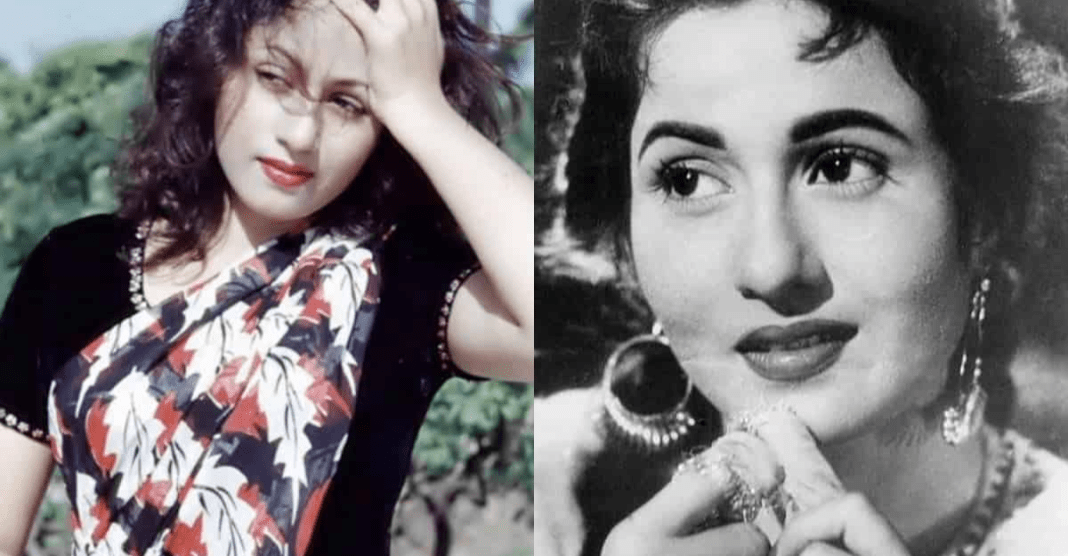

Madhubala Biography: Who was she, whose smile could stop time, but whose heart was slowly moving toward death?
In the Golden Era of Indian cinema, there were many stars, but she was the only one compared to the ‘Taj Mahal.’ Her life was as sad as a poet’s story.
Imagine a little girl who, at just nine years old, took the responsibility of her 11-member family on her small shoulders.
When she should have been playing with toys, she was working in the world of movies.
She was called the ‘Venus of Indian Cinema.’ Even Hollywood magazines talked about her, calling her the biggest star in the world.
But behind all this fame, she had a deadly secret that was making her weak from the inside.
On the screen, she was ‘Anarkali’ who fought against kings, but in real life, she lost to her illness and her broken heart.
Even though the whole world loved her, she spent her last days alone in a hospital bed. She was a mystery, a beautiful smile that hid a deep ocean of pain.
Yes, we are talking about that beautiful radiance whose name is Madhubala.
Personal Overview
| Full Name | Madhubala (Mumtaz Jehan Begum Dehlavi) |
| Known As | Madhubala |
| Screen Name | Madhubala (The Venus of Indian Cinema) |
| Date of Birth | 14 February 1933 |
| Place of Birth | Delhi, British India |
| Nationality | Indian |
| Profession | Actress |
| Years Active | 1942 – 1960 |
| Debut Film | Basant (1942, as child artist) |
| Breakthrough Film | Mahal |
| Famous For | Exceptional beauty, expressive acting |
| Nickname / Title | Venus of Indian Cinema |
| Marital Status | Married |
| Spouse | Kishore Kumar |
| Notable Relationship | Dilip Kumar |
| Health Condition | Congenital heart disease |
| Date of Death | 23 February 1969 |
| Age at Death | 36 years |
| Legacy | One of the most iconic and beautiful actresses in Indian cinema |
| Cause of Death | Prolonged heart illness |
Early Life & Background
Madhubala, often called the “Venus of Indian Cinema,” had a life that was as dramatic and moving as the movies she starred in.
Here is a look at her early years and how she became a legend.
Born as: Mumtaz Jehan Begum Dehlavi.
Date of Birth: February 14, 1933 (Valentine’s Day).
Heritage: She was born in Delhi to a Pathan family. She was the fifth of 11 children.
Early Struggles: Her father, Ataullah Khan, lost his job at an imperial tobacco company in Delhi, which pushed the family into poverty.
Seeking a better life, he moved the family to Bombay (now Mumbai).
Hardship in Bombay
Life in Bombay wasn’t easy at first. The family faced a series of tragedies:
Personal Loss: Six of her siblings passed away at young ages.
Natural Disaster: In 1944, a massive explosion at the Bombay docks destroyed their small home.
Luckily, the family was out at the movies and survived, but they lost everything they owned.
The Child Star: Helping the Family
Because the family was struggling financially, Madhubala began working at a very young age to support them.
Debut: She entered the film industry at just 9 years old in the film Basant (1942).
New Name: The famous actress Devika Rani was so impressed by her talent and beauty that she gave her the screen name “Madhubala” (which means “Honey Child”).
The Rise to Stardom
Madhubala Biography: Her transition from a child actor to a leading lady happened quickly
Big Break: At age 14, she starred in Neel Kamal (1947) opposite Raj Kapoor.
Success: By the late 1940s, her radiant smile and natural acting made her one of the most sought-after stars in India.
Entry into Bollywood
Madhubala, often called the “Venus of Indian Cinema,” had a journey into Bollywood that started very early out of necessity.
- Childhood and Financial Struggle
Madhubala was born as Mumtaz Jehan Begum Dehlavi in 1933. ]
Her family was very poor, and after her father lost his job in Delhi, they moved to Mumbai (then Bombay).
After a fire destroyed their small home, the young Mumtaz became the main breadwinner for her family of eleven.
- Starting as a Child Artist
She entered the film world at the age of 9.
First Film: Her debut was in the movie Basant (1942).
The Name Change: The famous actress Devika Rani was so impressed by her performance and beauty that she gave her the screen name “Madhubala,” which means “honey-weighted” or “sweet girl.”
- Transition to Lead Roles
Madhubala didn’t have to wait long to become a star.
Madhubala Biography: At age 14, she landed her first lead role in the movie Neel Kamal (1947), acting opposite Raj Kapoor.
Even though she was just a teenager, her screen presence was so powerful that she quickly became one of the most sought-after actresses in India.
- The Big Breakout
While she worked in several films, her “megastar” status arrived in 1949 with the movie “Mahal.”
This was a huge hit and made her a household name across the country at only 16 years old.
Rise to Fame
Madhubala’s rise to fame is a true “rags-to-riches” story. She went from a child supporting her family to becoming the most famous face in India.
- The Young Breadwinner (1942–1947)
Madhubala started working at age 9. Her family was very poor, and she needed to earn money.
Child Star: She appeared in several films as “Baby Mumtaz.”
The Name: Because she was so talented and pretty, the actress Devika Rani gave her the name Madhubala (meaning “Honey Girl”).
First Lead Role: At just 14 years old, she played the heroine in Neel Kamal (1947). People immediately noticed her star power.
- The Breakthrough: Mahal (1949)
The year 1949 was the turning point in her life. She starred in a movie called Mahal.
Huge Success: This was a “ghost story” or mystery film. It became a massive hit.
The Song: The song “Aayega Aanewala” became an anthem across India.
Teenage Superstar: At only 16, Madhubala became a household name. Everyone wanted to see her on the big screen.
- Global Recognition (1950s)
In the 1950s, her fame went beyond India.
The “Venus” of India: People started calling her the “Venus of Indian Cinema” because of her incredible beauty.
Hollywood Interest: The famous American magazine Theatre Arts wrote a big feature on her, calling her “The Biggest Star in the World, and she’s not in Beverly Hills.”
Hollywood directors even tried to hire her, but her father did not allow her to go.
- Iconic Performances
She became famous not just for her looks, but for being a versatile actress.
Comedy: She showed great timing in Mr. & Mrs. ’55 and Chalti Ka Naam Gaadi.
Drama: She played deep, emotional roles that made people cry.
Fashion Icon: Her style, hair, and sarees in films like Howrah Bridge set trends for women all over the country.
- Eternal Fame: Mughal-e-Azam (1960)
Her rise to fame reached its highest point with the movie Mughal-e-Azam.
She played Anarkali, a dancer who falls in love with a Prince.
Even though she was very ill with a heart problem during filming, she gave her best performance.
This movie is still considered one of the greatest films ever made in India.
Acting Style & Personality
Madhubala was loved not just for her face, but for the way she acted and her unique personality.
- Her Acting Style: Natural and Versatile
Unlike many actors of her time who acted in a very dramatic or “theatrical” way, Madhubala was very natural.
The “Queen of Expressions”: She could tell a whole story just with her eyes and her famous smile.
She didn’t need to say many words to show she was happy, sad, or in love.
Great at Comedy: Most beautiful actresses of that time only did serious roles, but Madhubala was excellent at comedy.
In movies like Chalti Ka Naam Gaadi, she was funny, bubbly, and full of energy.
Deep Emotions: In her most famous role as Anarkali in Mughal-e-Azam, she showed “quiet strength.” Even when her character was in pain, she acted with great dignity.
- Her Personality: Private and Family-Oriented
Off-screen, Madhubala was very different from the glamorous star people saw in theaters.
Simple Living: She did not like big parties or Hollywood-style fame.
She preferred staying at home, eating simple food, and spending time with her family.
Devoted Daughter: She was the main person earning money for her large family (she had many sisters).
She was very disciplined and always showed up to film sets on time.
Child-like Heart: Her co-stars often said she had a “child-like” personality.
She loved to laugh and would often get “giggling fits” on set where she couldn’t stop laughing during a scene.
- Strength in Secret
One of the most amazing parts of her personality was her bravery.
Hidden Illness: Madhubala was born with a “hole in her heart” (a serious medical condition at the time).
The Professional: She kept her illness a secret from the public for many years.
Even when she was in pain or coughing up blood on set, she would continue filming so she wouldn’t let the director or her fans down.
Personal Life
Madhubala’s personal life was a mix of great success and deep sadness.
Although she was a superstar on screen, her private life was very simple and often difficult.
- A Devoted Daughter
Madhubala was born into a large family with 11 children.
The Provider: After her father lost his job, she became the “man of the house” at age 9.
She spent her entire life working to make sure her parents and sisters lived comfortably.
Strict Upbringing: Her father, Ataullah Khan, was very strict.
He managed her money, chose her movies, and rarely allowed her to go to parties or film premieres.
- The Great Love Story: Dilip Kumar
The most famous part of her personal life was her long romance with the legendary actor Dilip Kumar.
How they met: They fell in love while filming Tarana (1951). They were together for about seven years.
The Breakup: They wanted to get married, but a legal court case over a movie (Naya Daur) caused a big fight between Dilip Kumar and Madhubala’s father.
Heartbreak: Because she was a loyal daughter, she could not go against her father.
Dilip and Madhubala broke up, which left both of them very sad for a long time.
- Marriage to Kishore Kumar
In 1960, Madhubala married the famous singer and actor Kishore Kumar.
Timing: They married just before she went to London for heart treatment.
Difficult Years: Doctors told her she didn’t have much time left to live. Because of her illness, her marriage was not very happy.
She spent most of her final years resting in bed, away from the cameras and the lights of Bollywood.
- Her Secret Illness
Madhubala was born with a “hole in her heart” (Ventricular Septal Defect).
The Secret: In the 1950s, there was no easy surgery for this. She kept it a secret from the film industry for years so she could keep working.
The Struggle: On film sets, she would sometimes faint or cough up blood, but she would quickly hide it and keep acting.
- A Quiet End
Madhubala passed away on February 23, 1969, just nine days after her 36th birthday.
Even though she died very young, she is remembered as one of the most beautiful and talented women to ever live.
Challenges & Struggles
Despite her fame and beauty, Madhubala’s life was filled with many difficult hurdles.
- Extreme Poverty at a Young Age
Madhubala did not start as a rich star.
Family Loss: Her family lost their home in a terrible fire in Mumbai.
The Only Earner: Out of 11 children, she was one of the few who survived and the only one who could earn money.
Working at 9: While other children were playing, she was working long hours on movie sets to buy food for her parents and sisters.
- A Secret and Deadly Illness
Her biggest struggle was her health, which she had to keep a secret for many years.
The “Hole in the Heart”: She was born with a heart defect. In the 1940s and 50s, doctors did not have the technology to fix it.
Pain on Set: While filming famous songs and dances, she was often in great pain. Sometimes she would breathe heavily or faint, but she would quickly get up and continue so the movie wouldn’t stop.
Coughing Blood: In her later years, she would cough up blood on set, but she kept working to support her family.
- Her Father’s Strict Control
Madhubala’s father, Ataullah Khan, managed every part of her life.
No Social Life: She was almost like a prisoner in her own home. She was not allowed to go to parties, meet friends, or even attend the premieres of her own movies.
Business Decisions: Her father chose all her movies. This sometimes caused problems with directors and other actors.
- Heartbreak and the Court Case
The biggest emotional struggle of her life was her breakup with Dilip Kumar.
The Fight: During the movie Naya Daur, her father and Dilip Kumar had a big disagreement that went to court.
Choosing Family: Dilip Kumar asked Madhubala to leave her father and marry him. Because she was a loyal daughter, she refused to leave her father.
Losing Love: This choice broke her heart, and she never truly recovered from the sadness of losing the man she loved.
- A Lonely Final Decade
After her health became too bad to work, her life changed completely.
Bedridden: She spent the last 9 years of her life mostly in bed.
Loneliness: Because she couldn’t work anymore, she felt forgotten by the film industry. She died at the young age of 36, just as she was planning to try directing a movie
Awards & Achievements
Madhubala is a rare example of a legendary star who did not win many trophies during her lifetime. However, she received many honors after her death that proved her greatness.
| Type of Honor | Given By / Movie | Importance |
|---|---|---|
| Best Actress Nomination | Mughal-e-Azam | Her only Filmfare nomination; widely believed she deserved to win |
| “The Biggest Star in the World” | Theatre Arts Magazine (1952) | Showed her global popularity, even in Hollywood |
| Commemorative Stamp | India Post (2008) | Indian government honored her legacy with a postage stamp |
| Wax Statue | Madame Tussauds Delhi (2017) | Honored with a life-like wax statue as Anarkali |
| Google Doodle | Google (2019) | Celebrated her 86th birth anniversary globally |
Major Achievements
Box Office Queen: Her movie Mughal-e-Azam remained the highest-grossing Indian film for 15 years. Even today, it is considered one of the greatest movies ever made.
Young Achiever: She became a superstar at just 16 years old after the success of Mahal (1949).
The “Venus” Title: She is the only Indian actress to be universally called the “Venus of Indian Cinema” because of her timeless beauty.
Versatility: She was one of the first actresses who could successfully switch between deep tragedies (like Amar) and lighthearted comedies (like Chalti Ka Naam Gaadi).
Note: Even though she didn’t win a Filmfare trophy, she is often ranked #1 in polls by fans and critics when choosing the greatest Bollywood actress of all time.
Later Career / Comeback
Madhubala’s later career was a time of great struggle because her health was failing just as she was reaching the peak of her talent.
Unlike many stars, she didn’t have a “long” later career because she passed away so young.
- The Peak Before the Decline (1960–1962)
Even as she became very sick, Madhubala delivered some of her biggest hits.
Mughal-e-Azam (1960): This was her greatest success. Despite being weak, she filmed difficult scenes in heavy chains.
Barsaat Ki Raat (1960): A massive musical hit that showed she was still the queen of the box office.
Half Ticket (1962): One of her last famous comedies where she starred opposite her husband, Kishore Kumar.
- Slowing Down Due to Health
By the early 1960s, her heart condition (a hole in her heart) made it almost impossible to work.
Doctor’s Advice: Doctors in London told her she only had a few years to live and needed total bed rest.
Sporadic Work: She could no longer dance or do heavy acting. She only finished movies that had already started, like Sharabi (1964).
- The Attempted Comeback (1966–1969)
Madhubala was a fighter and didn’t want to give up on her dreams.
The “Chalaak” Comeback: In 1966, she tried to make a comeback in a film called Chalaak opposite Raj Kapoor.
However, she fainted on the very first day of filming, and the movie had to be cancelled.
A New Dream (Directing): In 1969, realizing she could no longer act, she prepared to direct a movie called Farz Aur Ishq.
Sadly, she passed away before filming could begin.
- Final Releases
Sharabi (1964): This was the last film she actually completed while alive.
Jwala (1971): This was her only full-color movie. It was released two years after her death. It had been filmed years earlier but was delayed.
Legacy & Impact
Even though Madhubala passed away more than 50 years ago, her legacy is stronger than ever. She is not just remembered as an actress, but as a symbol of Indian cinema.
- The Standard of Beauty
Madhubala is still considered the “most beautiful woman” in the history of Bollywood.
The Benchmark: Even today, when a new actress has a beautiful smile or expressive eyes, she is often compared to Madhubala.
Global Icon: She is one of the few Indian stars from the 1950s that people all over the world still recognize.
- The “Anarkali” Image
Her role in the movie Mughal-e-Azam created a permanent image in Indian culture.
Fashion: The “Anarkali” style of dress (long, flowing tops with slim pants) became famous because of her and is still a popular fashion choice for women today.
Legendary Song: Her dance in the song “Pyar Kiya To Darna Kya” is taught in dance schools as a masterclass in facial expressions.
- Influence on Modern Actresses
Many of Bollywood’s biggest stars in the 80s, 90s, and 2000s looked up to her.
Madhuri Dixit: Often called the “Modern Madhubala” because of her grace.
New Generations: Actresses like Deepika Padukone and Kareena Kapoor have often done photoshoots or dances to pay tribute to her style.
- Digital Immortality
In the digital age, Madhubala has found a whole new audience:
Color Restoration: When Mughal-e-Azam was colored and re-released in theaters in 2004, it became a hit all over again, proving that her charm works on young people too.
Social Media: Clips of her songs and her famous “giggles” are very popular on apps like Instagram and TikTok today.
Death and Tribute
The end of Madhubala’s life was very sad, but the way the world honors her today shows that she is truly “immortal” in the hearts of her fans.
- Her Early Death (1969)
Madhubala passed away on February 23, 1969.
Age: She was only 36 years old, which is very young for a superstar.
The Cause: She died from a long-term heart illness (a hole in her heart). Because medical science was not advanced back then, doctors could not save her.
Her Final Days: She spent her last few years mostly in bed, resting and breathing with the help of oxygen. Even in her final days, she remained beautiful and brave.
- Tributes from Bollywood
When she passed away, the entire film industry was in shock.
Dilip Kumar: Even though they had broken up years before, the legendary actor Dilip Kumar came to her funeral to pay his respects.
The “Venus” Title: Film critics and directors began calling her the “Venus of Indian Cinema,” comparing her to the Roman goddess of beauty.
The Greatest Performance: Her role as Anarkali in Mughal-e-Azam is seen as the greatest tribute to her talent. People say no one else could have played that role with such grace.
- Modern Tributes (How we remember her now)
The world has found many ways to keep her memory alive:
Postage Stamp (2008): The Indian Government released a special stamp with her face on it.
This is a very high honor usually given to national heroes.
Madame Tussauds (2017): A beautiful wax statue of Madhubala was placed in the Delhi museum.
It shows her in her famous red and gold “Anarkali” outfit.
Google Doodle (2019): On what would have been her 86th birthday, Google put her picture on their homepage all over the world to celebrate her life.
The “Madhubala” Award: Many film festivals have created special categories or awards named after her to honor new, talented actresses.
5 Intresting Facts about Madhubala
Beyond her movies and her beauty, Madhubala’s life was full of surprising details.
- Hollywood was “Crazy” About Her
In 1952, a famous American magazine called Theatre Arts featured her with the title: “The Biggest Star in the World – and she’s not in Beverly Hills.”
A famous Hollywood director, Frank Capra, even wanted to take her to America to act in international movies, but her father said “No.”
- She was Born on Valentine’s Day
It is a beautiful coincidence that the “Queen of Romance” was born on February 14, 1933.
Because she was born on the day of love, many fans felt she was destined to become the most romantic face of Indian cinema.
- She Had a “Giggling Problem”
Even though she played very serious and sad roles on screen, in real life, Madhubala loved to laugh.
She often got “giggling fits” on the movie set.
Once she started laughing, she couldn’t stop, which sometimes made it hard for the directors to finish the scene!
- She Drove Her Own Cars
At a time when very few women in India drove, Madhubala loved cars.
She learned to drive at a young age and was often seen driving herself to the film studios in her luxury cars.
She was a very independent and modern woman for the 1950s.
- She Filmed in Real Heavy Chains
In the famous “prison scene” of Mughal-e-Azam, the director offered her fake, light plastic chains to wear.
However, Madhubala insisted on wearing real, heavy iron chains to make her acting look real.
Even though she was very sick and the chains bruised her skin, she did not complain.
BY – Arushi Sharma
Also Read: Rajesh Khanna Biography: The First Superstar, Journey of Romance and Glory