

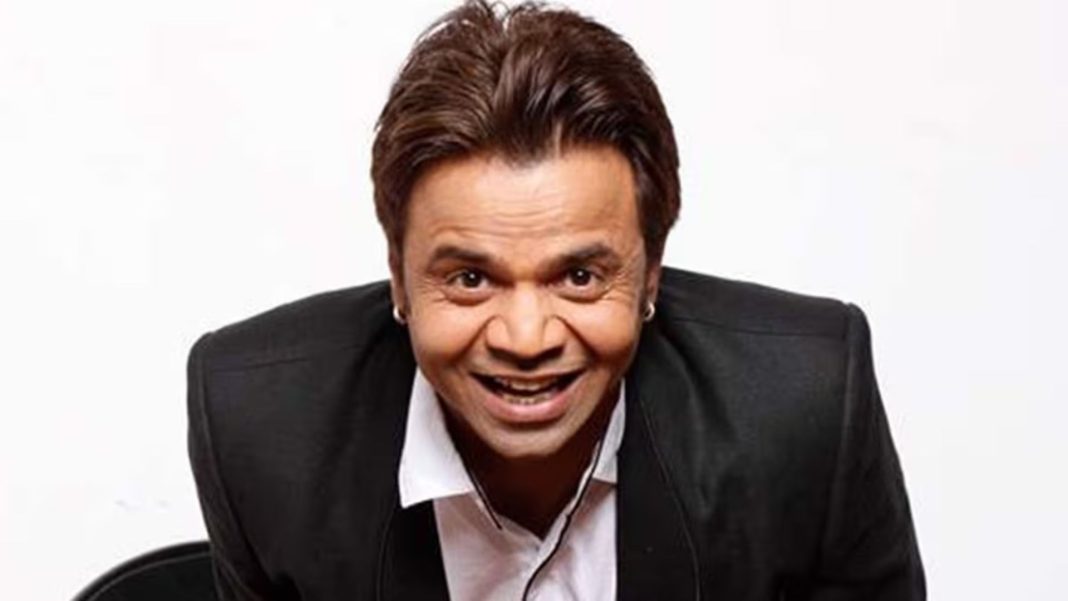

Rajpal Yadav Cheque Bounce Case: Bollywood’s veteran comic actor Rajpal Yadav has found himself in deep legal trouble once again.
According to media reports, the Delhi High Court on July 10, 2026, upheld his conviction in multiple long-running cheque bounce cases.
However, the court modified his sentence, reducing the jail term to three months of simple imprisonment and directing him to serve the remaining period.
The ruling marks a significant milestone in a financial dispute that has been dragging on for more than 15 years.
How the Dispute Began: The 2010 Loan Agreement
Rajpal Yadav Cheque Bounce Case: According to court records and media reports, the legal battle traces back to 2010 when Rajpal Yadav decided to make his directorial debut with the Bollywood film Ata Pata Laapata.
To finance the project, the actor reportedly borrowed a sum of approximately ₹5 crore from a Delhi-based private company, M/s Murali Projects Pvt Ltd.
The film, which hit theatres in 2012, performed poorly at the box office, leading to severe financial setbacks for the actor.
Reports state that due to the commercial failure of the movie, Yadav was unable to repay the principal amount along with the accumulated interest and penalties. Over time, the outstanding dues reportedly snowballed to nearly ₹9 crore.
Cheque Dishonour and the 2018 Conviction
Rajpal Yadav Cheque Bounce Case: To settle the mounting debt, the Bhool Bhulaiyaa actor had issued several cheques to the lending company. However, upon presentation, these cheques were dishonoured by the bank due to insufficient funds.
Consequently, the complainant firm initiated criminal proceedings against the actor under Section 138 of the Negotiable Instruments Act.
In April 2018, a magisterial court convicted Rajpal Yadav and his wife, sentencing the actor to six months of simple imprisonment.
This verdict was subsequently upheld by a sessions court in 2019. The actor then approached the Delhi High Court, seeking temporary relief, suspension of the sentence, and extensions to clear the outstanding liabilities.
Delhi High Court Terms Actor’s Conduct as “Dubious”
According to reports, a single-judge bench of Justice Swarana Kanta Sharma reviewed the case and observed that despite being given multiple opportunities and extensive time to clear the dues over the years, the actor consistently failed to honour his financial commitments.
The court reportedly described his conduct throughout the proceedings as “dubious.”
While affirming the conviction in seven distinct cases, the High Court modified the sentence to three months of simple imprisonment, with all sentences to run concurrently. In addition to the jail term, severe financial liabilities were imposed.
Reports state that Rajpal Yadav has been directed to pay ₹1.05 crore per case to the complainant (with the ₹2.25 crore already deposited to be adjusted). Furthermore, his wife, Radha Yadav, has been ordered to pay ₹5.51 lakh per case to the complainant.
When Rajpal Yadav Termed the Debt Dispute an “Ego Clash”
Earlier this year, when Yadav briefly surrendered at Tihar Jail before being granted interim bail on February 16, he addressed the media to share his side of the story.
According to media briefings, the actor claimed that the initial deal was entirely verbal and based on mutual trust, referring to it as a “personal matter” (ghar ka maamla).
During the press conference, Yadav stated: “This fight is an ego clash. The person wants me to fall at his feet in return for ₹5 crore. He doesn’t want money; if it were for money, I have been ready to pay since 2013.
I blindly signed the papers without reading them, and I did make a mistake there.” However, the High Court emphasized that the judiciary cannot create “special circumstances” or exceptions for individuals belonging to the film industry, asserting that discipline and compassion must be balanced.
What Lies Ahead for the Actor?
Following the latest directive from the Delhi High Court, Rajpal Yadav is expected to return to custody to serve out the remainder of his modified three-month prison sentence.
According to legal experts and media sources, the actor still has further legal remedies available, which include approaching the Supreme Court of India to challenge the High Court’s order and seek an interim stay on the sentence.
Alternatively, if he manages to arrange the required funds, he could opt for an out-of-court compounding of the offences, provided the complainant agrees to a final monetary settlement.
Disclaimer: This article is entirely based on the latest judgment of the Delhi High Court, official judicial observations, and verified national media reports. The content is shared for informational purposes and does not seek to prejudice any ongoing legal remedies available to the parties involved.