

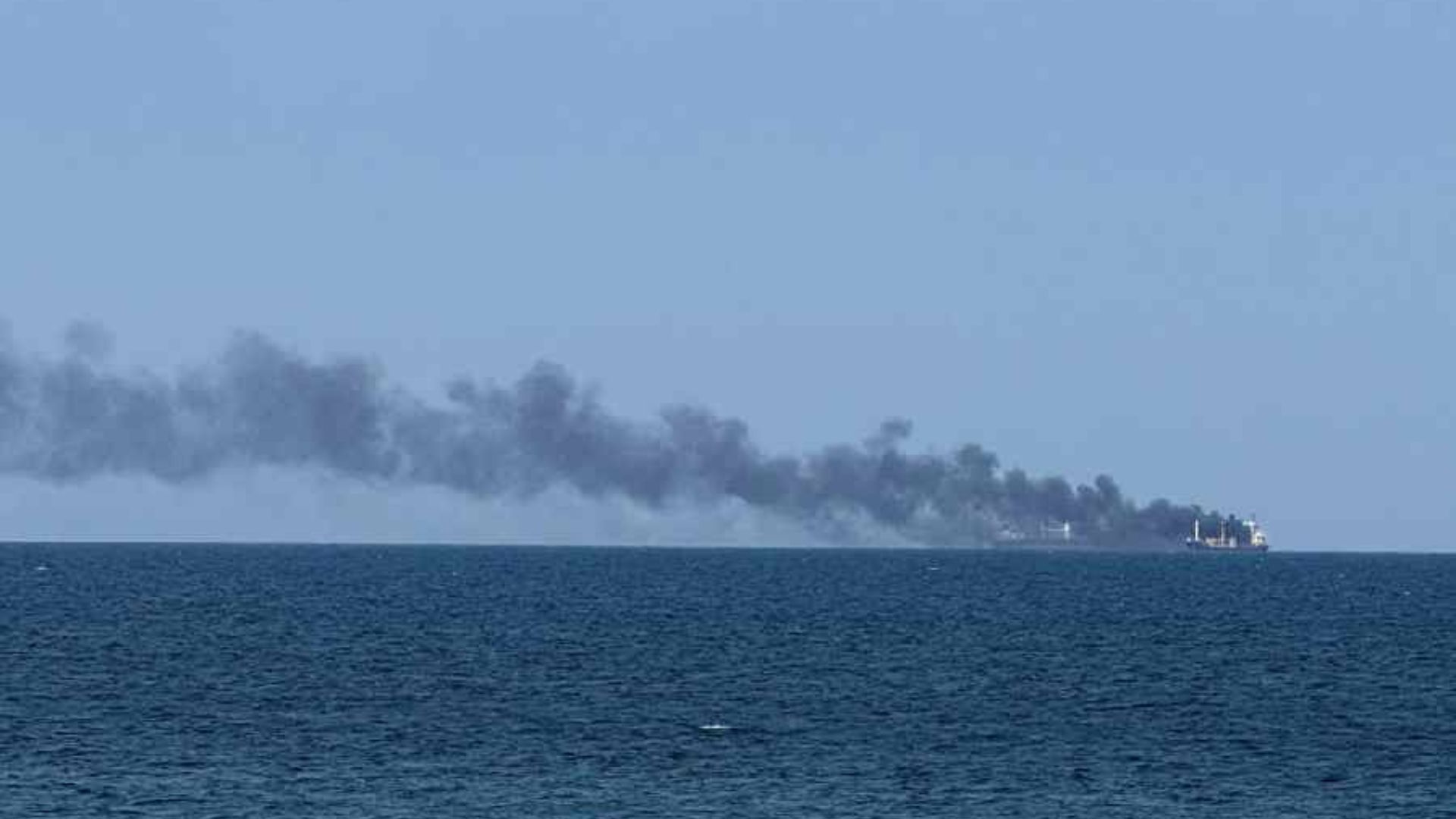

India Hits Back: In a dramatic diplomatic escalation, India has lodged a “strong” protest with Russia following a deadly strike on a commercial vessel in the Black Sea that claimed the lives of four Indian nationals and left another wounded.
The incident, which occurred off the coast of Ukraine, marks one of the most direct diplomatic confrontations between New Delhi and Moscow since the conflict began.
The Incident: Horror at Sea on MV Golden Leo
India Hits Back: The tragedy unfolded when the MV Golden Leo, a Guinea Bissau-flagged commercial vessel, was hit during a reported Russian attack off the Ukrainian coast.
Key Facts of the Attack:
Total Crew: 17 members from various nations.
Indian Presence: 5 Indian sailors were on board.
Casualties: 10 total crew members killed, including 4 Indian nationals.
Injuries: 1 Indian sailor sustained injuries and is receiving medical care.
The commercial ship was navigating international maritime trade routes when the strike hit, immediately putting civilian lives in the crosshairs of the ongoing war.
Diplomatic Heat: Russian Envoy Summoned to MEA
India Hits Back: Reacting swiftly to the loss of civilian lives, India’s Ministry of External Affairs (MEA) summoned Russia’s Charge d’Affaires, Vladimir Ladanov, to hand over a formal protest.
New Delhi expressed grave concern over the incident, making it clear that attacks on peaceful commercial vessels are unacceptable under any circumstances.
“The ministry conveyed India’s grave concerns and unequivocal condemnation of the attack on the commercial vessel MV Golden Leo… emphasizing that such attacks undermine the safety, security, and stability of international maritime commerce.”
— Statement by the Ministry of External Affairs
India urged the envoy to immediately convey these firm concerns to top officials in Moscow, stressing that innocent civilian sailors must never become targets in geopolitical conflicts.
Pattern of Escalation: Non-Military Targets Under Fire
India Hits Back: The destruction of the MV Golden Leo highlights an ongoing, alarming trend in the Russia-Ukraine war, where non-combatant infrastructure and commercial routes frequently find themselves in the line of fire.
Impact on Global Shipping:
Infrastructure at Risk: Apart from commercial ships, civilian infrastructure, including power grids, residential areas, and ports, has suffered heavy damage throughout the conflict.
Threat to Navigation: Repeated attacks in the Black Sea threaten the freedom of navigation and create severe risks for global merchant fleets.
Counter-Claims: While Ukraine accuses Russia of striking non-military assets to exert pressure on Kyiv, Russia has similarly accused Ukrainian forces of targeting civilian sites and launching drone attacks on cities like Moscow.
Growing Peril for Indian Seafarers Worldwide
The tragic loss of life on the MV Golden Leo is part of a troubling global trend where Indian merchant mariners, who form a significant portion of the international shipping workforce, are caught in foreign conflict zones.
In recent months, Indian diplomats have had to deal with multiple lethal incidents involving Indian sailors in international waters:
Persian Gulf Incidents: Indian seafarers have repeatedly come under fire during strikes in critical waterways like the Persian Gulf and the Strait of Hormuz.
Diplomatic Protests: India has consistently raised these issues with foreign governments, reiterating that commercial mariners are neutral workers who must be protected under international law.
Calls for Maritime Safety: New Delhi continues to demand that all military powers uphold freedom of navigation and ensure that commercial shipping lanes remain safe for international trade.
The Road Ahead: Balancing Commerce and Safety
With thousands of Indian sailors working on global commercial vessels, protecting their lives in active war zones remains a top priority for New Delhi.
India’s strong reaction to the Black Sea incident sends a clear message: the safety of civilian seafarers cannot be compromised, and targeting non-combatant vessels crosses a dangerous red line.
Also Read : Inside Sindh’s HIV Outbreak: Why 130 People, Mostly Children, Tested Positive in Pakistan