


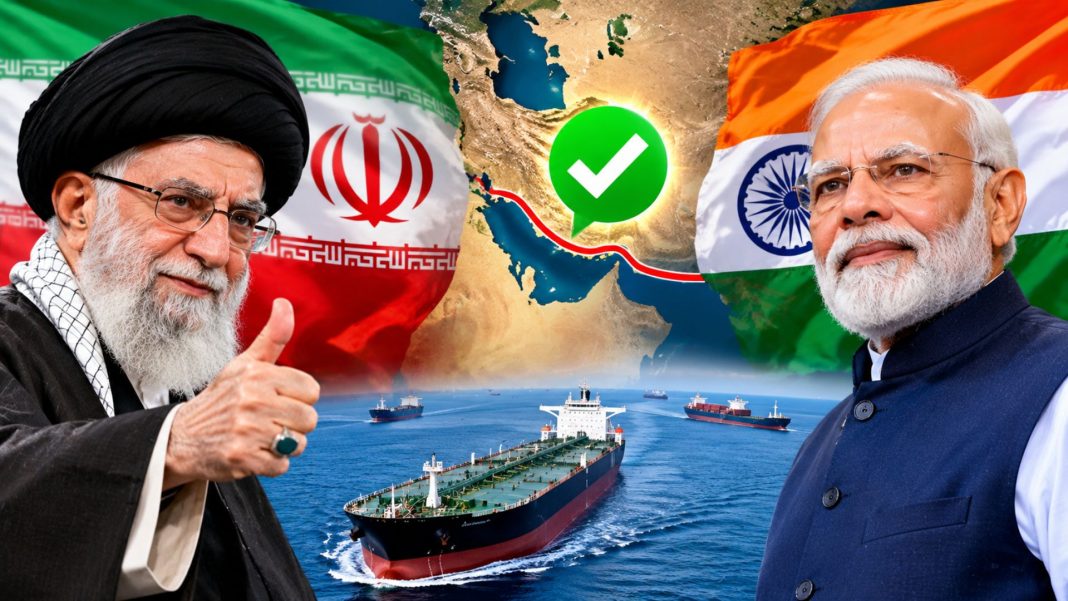

Strategic Breakthrough: In a major geopolitical shift along one of the world’s most critical maritime corridors, Iran has officially granted passage rights to Indian merchant vessels navigating the strategic Strait of Hormuz. The decision lifts transit restrictions imposed since late February, allowing Indian ships to move through the chokepoint without maritime blockades.
The development was confirmed by Ahmad Hayat-Moghaddam, Vice Chairman of the Iranian Parliament’s National Security and Foreign Policy Committee, according to media reports citing Iranian news outlets.
Key Takeaways: Four Nations Granted Strategic Passage
Strategic Breakthrough: Iran has extended transit exemptions to four nations, each tied to distinct geopolitical and trade considerations:
India: Exemption granted to safeguard vital supply chains, particularly the continued import of life-saving pharmaceutical supplies from New Delhi.
China: Relief granted with Tehran expecting strategic and diplomatic backing from Beijing amid escalating international pressure.
Qatar & Iraq: Included in the exemption framework, with Qatari vessels permitted to pass free of charge, whereas Indian and Chinese ships will pay required transit fees.
The Strategic Importance of the Strait of Hormuz for India
Strategic Breakthrough: The opening of this maritime route provides critical relief for India’s national energy architecture.
India relies heavily on external sources for its energy requirements, importing over 85% of its total crude oil needs. Out of an average daily import of 5 million barrels, approximately 2 million barrels traverse the Strait of Hormuz from key Gulf suppliers, including Saudi Arabia, Iraq, Kuwait, and the United Arab Emirates.
Beyond crude oil, the strait serves as a key conduit for India’s Liquefied Natural Gas (LNG) and Liquefied Petroleum Gas (LPG) imports.
Major Economic and Trade Benefits for India
The resumption of unhindered vessel transit brings three immediate economic advantages:
- Uninterrupted Energy Supply
Securing safe passage for tankers navigating from Middle Eastern ports ensures steady domestic energy stockpiles and prevents severe supply disruptions.
- Market Stabilization & Fuel Price Relief
Easing maritime friction along this key transit choke point reduces risk premiums in global shipping lanes, helping stabilize international benchmark crude prices and easing domestic fuel costs.
- Bilateral Trade and Cargo Mobility
Guaranteed access enables seamless pharmaceutical exports to Iran, protecting critical healthcare supply chains and bolstering bilateral commercial activity.
Tensions Escalating: Sea Mines and Regional Warnings
Despite these selective exemptions, security along the waterway remains precarious.
According to statements from Iran’s Islamic Revolutionary Guard Corps (IRGC), four unauthorized oil tankers attempting to transit restricted lanes south of the strait were destroyed after striking naval mines. Iranian forces also claimed control over two additional vessels in the area.
Tehran has maintained a firm stance toward Washington, warning of full operational readiness if military confrontations resume. Iran’s lead negotiator, Mohammad Bagher Ghalibaf, stated that armed forces remain prepared on high alert.
Simultaneously, Iranian President Masoud Pezeshkian emphasized diplomatic avenues, noting that renewed hostilities would yield no winners and advocating for structured negotiations to resolve regional impasses.
Also Read : DEMOCRATS SWEEP US MIDTERMS: ABDUL EL-SAYED MAKES HISTORY AS FIRST MUSLIM US SENATOR