


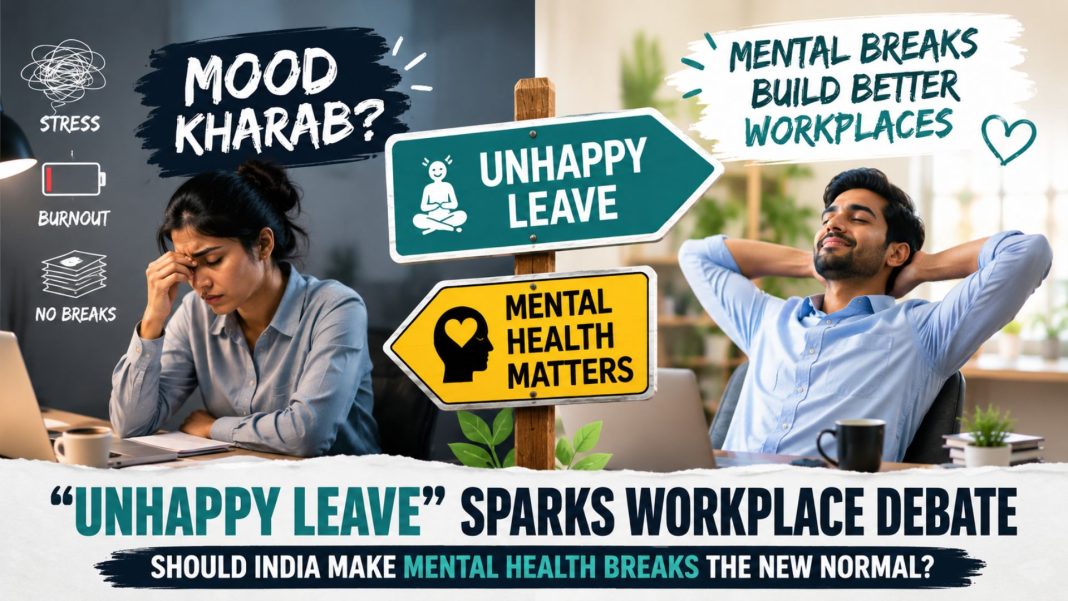

Unhappy Leave Policy: Can simply feeling out of sorts or unmotivated be a valid reason to skip work without providing a medical certificate, citing a family emergency, or giving lengthy explanations to a manager?
A novel employment initiative introduced by a Chinese retail giant has sparked a major global conversation around corporate wellness.
The concept of “Unhappy Leave” has now caught the attention of Indian business leaders, with industrialist Harsh Goenka raising the question of whether India’s corporate sector needs a similar mechanism to combat workplace burnout.
According to media reports, the discussion gained momentum after RPG Enterprises Chairman Harsh Goenka shared details of the policy on social media, prompting widespread debate among professionals, HR managers, and business analysts regarding its feasibility, benefits, and potential drawbacks within the Indian context.
What Is China’s ‘Unhappy Leave’ Policy Introduced by Pang Dong Lai?
According to media reports citing international news outlets, the concept was introduced in 2024 by Yu Donglai, the founder of Chinese retail enterprise Pang Dong Lai. The core philosophy driving the initiative is straightforward: “If you are unhappy, do not come to work.”
Under this policy, employees are granted 10 additional paid leaves per year specifically to address emotional distress, low mood, or mental fatigue. Key features of the policy include:
No Explanation Required: Workers can request leave simply by stating that they are feeling unhappy, without providing detailed justifications or documentation.
Mandatory Managerial Approval: Company rules strictly prohibit managers from denying an “unhappy leave” request; refusing a request is treated as a policy violation.
Work-Life Balance Framework: In addition to the 10 days of unhappy leave, the company enforces a seven-hour workday, provides weekends off, offers 30 to 40 days of annual leave, and grants an additional five days during the Chinese New Year period.
Harsh Goenka Triggers Debate on India’s Workplace Burnout Culture
Highlighting the Chinese retailer’s policy, industrialist Harsh Goenka posted on social media asking whether Indian enterprises should consider similar measures.
While acknowledging that the policy might initially appear unconventional or impractical to many, Goenka emphasized the necessity of a broader debate in India to address employee burnout and create healthier work environments.
According to media reports, Goenka questioned whether adopting a structured leave policy for mental well-being or finding alternative ways to encourage enthusiasm among workers could help Indian companies tackle chronic workplace stress.
He noted that normalizing mental health breaks could foster happier, more loyal workforces, emphasizing that experiencing burnout should not be misconstrued as a lack of dedication.
Mixed Reactions: Cure for Burnout or Encouraging Slack?
Unhappy Leave Policy: The viral social media post divided public opinion, highlighting contrasting views between corporate leaders, employees, and workplace experts:
1.The Supportive Perspective
Proponents of the policy argue that offering dedicated days for emotional well-being encourages honesty and trust within organizations.
Reducing Dishonesty: Supporters point out that employees frequently resort to fake excuses or bogus medical notes when experiencing mental exhaustion. A dedicated “unhappy leave” policy allows workers to take necessary breaks without pretense.
Addressing Non-Work Stress: Commentators noted that unhappiness often stems from personal life events rather than office environments. Allowing short breaks helps individuals resolve personal stress, ultimately improving productivity when they return.
2.The Skeptical Perspective
Critics and skeptics questioned whether a 10-day leave policy genuinely fixes systemic workplace issues.
Addressing Root Causes: Opponents argued that offering extra leaves fails to resolve toxic management practices, excessive working hours, or unrealistic deadlines that cause burnout in the first place.
Preference for Cultural Overhaul: Several professionals expressed that workers would benefit more from manageable working hours, supportive leadership, and respect for personal time rather than periodic emotional leave days.
The Way Forward for Indian Work Culture
The debate over “Unhappy Leave” highlights a growing recognition of mental health and burnout within the Indian corporate landscape.
Whether Indian companies adopt formal emotional wellness leaves or focus on broader structural reforms, the conversation reflects a shift toward prioritizing employee well-being alongside operational productivity.
As reported by media sources, HR experts suggest that while implementing a direct replica of the Chinese policy may pose operational challenges in labor-intensive industries, the debate itself could pave the way for more flexible leave structures, improved mental health support, and better work-life integration across Indian organizations.