


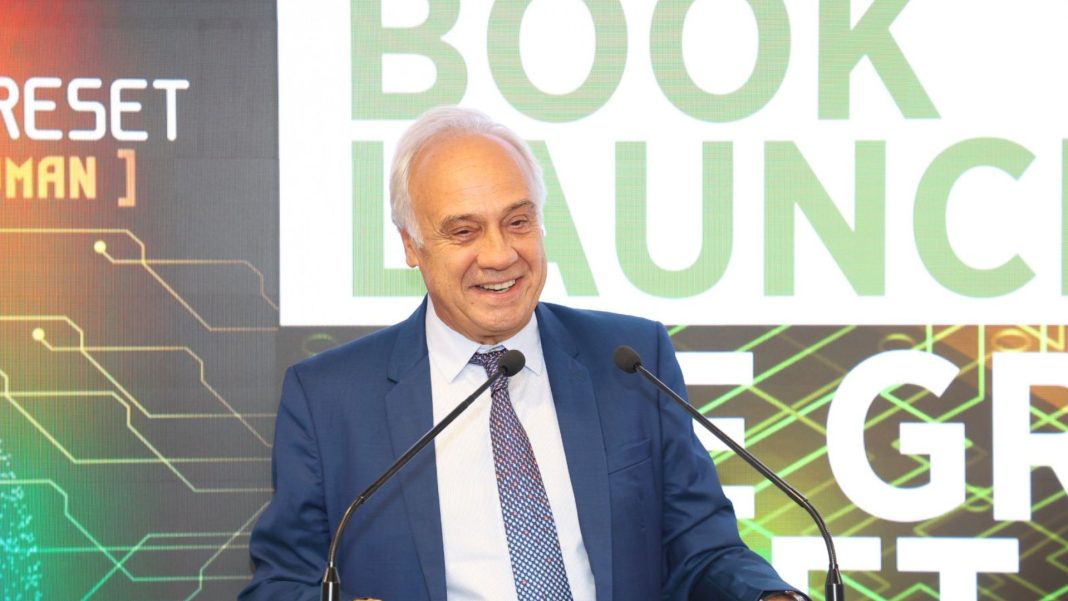

Spain ambassador to India: In a dramatic geopolitical development, Spain has set in motion the formal process to replace its Ambassador to India, Juan Antonio March Pujol.
The move comes on the heels of grave allegations involving financial misconduct, improper corporate partnerships, and the misappropriation of public funds earmarked for cultural diplomacy.
According to investigative reports originally broken by Spanish digital news outlet The Objective and subsequently cited by The Economic Times, the Spanish Ministry of Foreign Affairs initiated the recall process after submitting an official criminal complaint to Spain’s Anti-Corruption Prosecutor’s Office in late May.
Allegations Center on Cultural Events and Visa Partner Payments
Spain ambassador to India: At the heart of the scandal are allegations that Ambassador March leveraged official diplomatic channels and state funding for unauthorized cultural projects, alongside soliciting private corporate backing.
Key allegations against the envoy include:
Sponsoring Unrelated Artists: Utilizing official embassy funds to organize events promoting international musical performers who held no cultural or structural ties to Spain.
Corporate Deals: Directly negotiating an agreement with BLS International Services Ltd. to secure a €5,000 corporate contribution for a cultural gathering held in Rajasthan.
The involvement of BLS International has drawn intense scrutiny. The Indian firm holds high-stakes contracts with Spain’s diplomatic network, handling visa processing services for the Spanish Embassy in New Delhi as well as multiple Spanish missions worldwide.
The direct financial transaction between the head of the diplomatic mission and a commercial vendor serving that same embassy has raised severe conflict-of-interest red flags among anti-corruption authorities in Madrid.
A Brief and Troubled Tenure in New Delhi
Spain ambassador to India: March’s assignment in India was meant to mark a triumphant return to high-level international diplomacy after a sabbatical spanning over 12 years. Appointed as Spain’s Ambassador to India in June 2024, his arrival followed a lengthy five-month administrative wait before Indian authorities formally cleared his credentials (agrement).
He took over the post after his predecessor, José María Ridao, requested to step down from his post in New Delhi in late 2023. March is widely recognized within Spanish political circles as a seasoned diplomatic insider with close ties to top figures in the Spanish Socialist Workers’ Party (PSOE), including former Prime Minister José Luis Rodríguez Zapatero and former Foreign Minister Miguel Ángel Moratinos.
Decades in the Foreign Service: A Profile of Juan Antonio March Pujol
March’s background reflects a classic, highly distinguished diplomatic trajectory that spans nearly four decades.
| Period | Key Role / Designation | Organization / Jurisdiction |
|---|---|---|
| 1981 | Law Degree — Graduation | University of Barcelona, Spain |
| 1987 | Joined the Diplomatic Service | Ministry of Foreign Affairs, Spain |
| 1990s | Cabinet Member & International Representative | European Commission — Cabinet of Claude Cheysson; OECD, Paris |
| 2004–2007 | Permanent Representative & Ambassador | United Nations Office at Geneva & World Trade Organization (WTO) |
| 2007–2011 | Ambassador of Spain | Russian Federation |
| 2024–Present | Ambassador of Spain | Republic of India |
Beyond these postings, March also held executive responsibility as the Director-General for Cooperation with Latin America, solidifying his reputation as a key administrative architect of Spanish foreign policy across multiple continents.
Past Controversies: The United Nations ‘Human Rights Hall’ Budget Blowout
This is not the first time March’s diplomatic projects have sparked financial controversy.
During his tenure as Spain’s Permanent Representative to the United Nations in Geneva (2004–2007), March played a central role in promoting and financing the complete renovation of Room XX at the Palais des Nations, now known as the Human Rights and Alliance of Civilizations Hall.
The centerpiece of Room XX is an iconic, multi-colored stalactite ceiling dome designed by renowned Spanish artist Miquel Barceló. While hailed as an architectural spectacle, the financial management behind the project triggered severe political backlash in Madrid:
Initial Budget Projection: Originally capped at €16.6 million by the Spanish government.
Final Project Cost: Surpassed €20 million, creating a massive budget overrun.
Aid Fund Misdirection: Around €500,000 was drawn directly from Spain’s official Overseas Development Assistance (ODA) fund—a move heavily criticized for redirecting poverty-relief money toward an art installation.
In 2017, Ramón Álvarez de Miranda, then-President of Spain’s Court of Audit (Tribunal de Cuentas), testified before the Spanish Parliament regarding these expenditures. He highlighted that Madrid’s taxpayer contribution ballooned from an expected €5 million to over €11.5 million due to spiraling construction costs and a shortage of expected private corporate sponsors.
March served as Vice President of the ONUART Foundation, the entity managing the UN hall project, during the dome’s inauguration in 2008 while simultaneously serving as Ambassador to Russia. He later assumed the presidency of the ONUART Foundation, holding the position until February 2024, just months before his assignment to India.
Implications for Spain-India Diplomatic Relations
The premature recall of an ambassador under the cloud of an anti-corruption investigation represents a rare administrative disruption for Spain’s diplomatic corps in South Asia. As Madrid’s prosecutor’s office reviews the evidence regarding the Rajasthan cultural funds and the BLS International deal, diplomatic observers will be closely watching how quickly a replacement is named to stabilize Spain’s bilateral representation in New Delhi.
Also Read : US Army Shake-Up: Top General in Europe Fired Just 2 Months Before Term Ends