


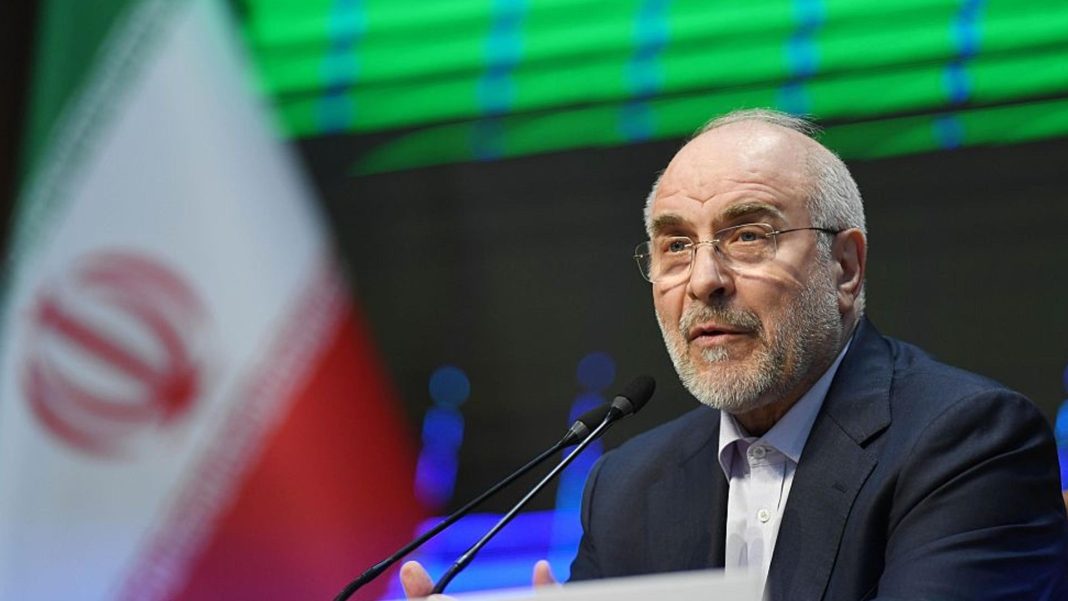

Iran retaliation warning: Tensions continue to simmer beneath the surface of the newly minted U.S.-Iran diplomatic breakthrough. Mohammad Bagher Ghalibaf, the Speaker of the Iranian Parliament and Tehran’s chief negotiator, has issued a fierce warning to Washington, promising a “crushing response” to any bad faith, treaty violations, or “excessive demands” during the implementation of the freshly signed interim agreement.
In a fiery post on the social media platform X, Ghalibaf made it clear that while Tehran is prepared to abide by the current framework, its patience has a very short fuse.
“They were once slapped during the war; if they wish to tread that path again, they will receive an even harder slap,” Ghalibaf warned, referring to the recent military hostilities between the two nations.
گوشبفرمانیم، وظیفهٔ محولشده به ما توسط مقام معظم رهبری پیگیری تحقق شروط و بندهای تفاهم است.
— محمدباقر قالیباف | MB Ghalibaf (@mb_ghalibaf) June 18, 2026
در صورت بدعهدی، پیمانشکنی و زیادهخواهی طرف مقابل هیچ تردیدی در پاسخ کوبنده به دشمن نداریم.
یکبار در جنگ سیلی خوردند، اگر بخواهند دوباره همان مسیر را بروند سیلی محکمتری خواهند خورد.
Standing Orders from the Supreme Leader
Iran retaliation warning: Ghalibaf emphasized that Iran’s diplomatic maneuvering remains strictly under the guidance of the country’s highest authority. He stated that Iranian officials are strictly “following orders” to fulfill the provisions of the memorandum of understanding (MoU).
“We are at your command; the task assigned to us by the Supreme Leader is to pursue the realization of the conditions and clauses of the agreement,” Ghalibaf wrote. However, he quickly pivoted to a deterrent tone, asserting that Iran would not hesitate to retaliate if the U.S. or its allies alter the terms of the deal.
Inside the Fragile “60-Day Clock” Peace Deal
Iran retaliation warning: The sharp rhetoric comes immediately after the United States and Iran electronically signed a 14-point interim MoU aimed at halting months of active military conflict. The conflict, which began in late February with joint U.S.-Israeli strikes, had severely choked global energy markets and disrupted maritime security.
The interim framework establishes a 60-day negotiating window to hash out a permanent comprehensive treaty. Key pillars of the initial agreement include:
A Tenuous Ceasefire: Extension of the temporary truce originally announced in April.
Reopening the Strait of Hormuz: Reinstating toll-free, restriction-free passage for global shipping commercial vessels.
Phase-by-Phase Sanctions Relief: Gradual lifting of U.S. economic blockades in exchange for nuclear compliance.
Frozen Assets: Steps toward unfreezing billions of dollars in Iranian funds.
Despite the breakthrough, which U.S. officials say has already drastically dropped oil prices and successfully restarted massive crude transit through the Persian Gulf, Ghalibaf chose to frame the interim agreement as a strategic victory for Tehran, calling it a “record of America’s failure.”
He claimed Iran bargained from a position of immense strength after successfully rebuilding its military capabilities during the preceding ceasefire windows.
Skepticism Clouds the Upcoming Geneva Talks
While the electronic signatures are dry and shipping lanes are opening, the underlying distrust remains massive. Iranian officials, including Ghalibaf, have publicly declared they do not trust Washington’s long-term promises.
Tehran has already raised alarms over potential compliance issues, keeping a hawk-eyed watch on Washington and Israel, particularly regarding ongoing military friction in connected regional theaters like southern Lebanon.
With intelligence agencies on both sides expressing deep skepticism about whether a final, complex nuclear and missile agreement can truly be finalized within 60 days, Ghalibaf’s warning serves as a stark reminder: the war may be paused, but the threat of a wider conflict resuming is only one misstep away.