


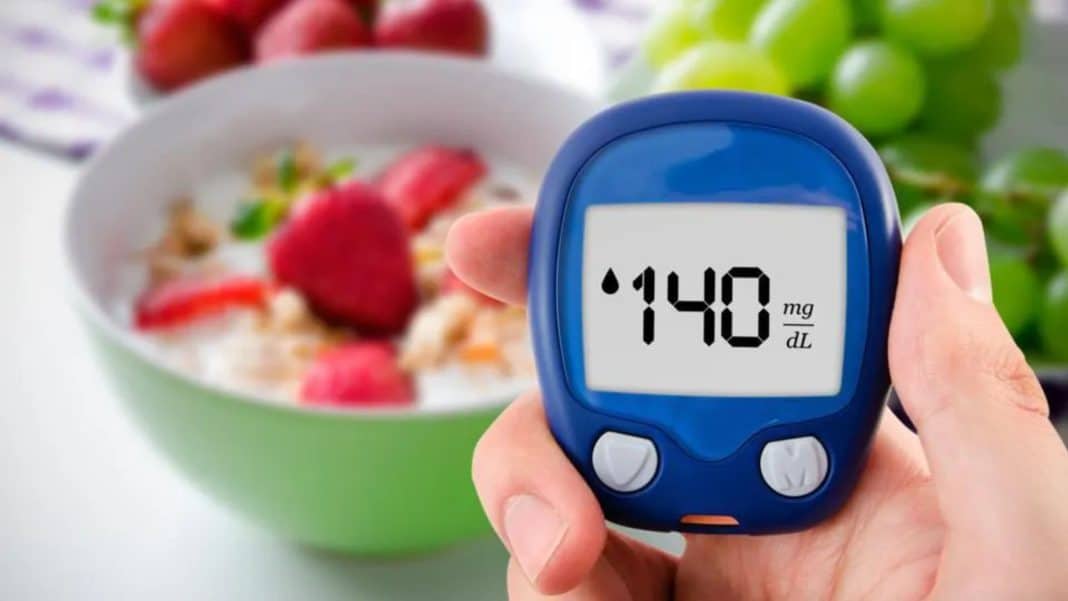

The Hidden Rollercoaster: It is 2:30 PM. You had a decent lunch an hour ago, but suddenly, a wave of intense exhaustion hits you.
Your eyelids feel heavy, your brain feels foggy, and you find yourself desperately craving a sugary coffee or a snack just to survive the rest of the workday.
Most people blame a lack of sleep, stress, or a heavy workload for this dreaded afternoon slump. However, modern metabolic science reveals a different culprit: the silent blood sugar rollercoaster.
You don’t have to be diabetic to experience extreme fluctuations in your blood glucose levels.
Millions of people unknowingly trigger massive blood sugar spikes every single morning, setting themselves up for a day filled with energy crashes, mood swings, and uncontrollable cravings.
The Anatomy of a Crash: What Happens During a Glucose Spike?
The Hidden Rollercoaster: When we eat carbohydrates or sugary foods, our digestive system breaks them down into glucose (sugar), which enters our bloodstream.
In response, our pancreas releases a hormone called insulin. Think of insulin as a master key that opens the doors of our cells, allowing glucose to enter and be used for energy.
However, when we eat highly processed carbs or sweets on an empty stomach, glucose floods the bloodstream too quickly. This triggers a massive glucose spike.
To handle this sudden emergency, the pancreas panics and pumps out an excessive amount of insulin.
This aggressive insulin surge forces glucose out of the blood and into the cells rapidly.
The result? A sudden, sharp drop in blood sugar known as reactive hypoglycemia, or a glucose crash. This sudden dip leaves your brain starved of its primary fuel, triggering immediate fatigue and brain fog.
Sneaky “Healthy” Foods That Trigger the Rollercoaster
The Hidden Rollercoaster: Many people trigger this rollercoaster thinking they are making healthy choices. Several breakfast staples marketed as nutritious are actually glucose bombs in disguise:
Fruit Juices and Smoothies: Stripped of their natural fiber, fruit juices flood your liver with fructose and glucose instantly. Even a home-made green smoothie can cause a spike if it contains multiple fruits without a fat or protein source.
Instant Oatmeal and Breakfast Cereals: Highly processed grains digest incredibly fast. If you eat flavored instant oatmeal or cornflakes with skim milk, your blood sugar will skyrocket within thirty minutes.
- Whole Wheat Toast with Jam: While whole wheat is better than white bread, a carbohydrate-heavy meal with sweet spreads guarantees a mid-morning crash.
The Hidden Costs of Constant Glucose Fluctuations
Living on a blood sugar rollercoaster does more than just make you tired at 2:00 PM. Over time, constant glucose spikes take a severe toll on your overall well-being:
1. Chronic Fatigue: Instead of clean, steady energy, your body is constantly fighting to stabilize itself, leaving you chronically exhausted.
2. Stubborn Weight Gain: High insulin levels signal the body to store fat and prevent it from burning existing fat reserves.
3. Accelerated Aging: Severe glucose spikes cause a biological process called glycation, where excess sugar damages collagen and elastin, leading to premature skin aging and internal inflammation.
Flatten the Curve: Simple Hacks to Stabilize Your Energy
The good news is that you don’t need a restrictive diet to fix this. You just need to change how you eat. Here are science-backed lifestyle hacks to flatten your daily glucose curve:
1. Master Food Sequencing (The Correct Order of Eating)
Medical research shows that eating your food in a specific order can reduce a meal’s glucose spike by up to 73%. When sitting down for a meal, always follow this sequence:
Fiber First (Salads, veggies, greens)
Proteins and Fats Second (Meat, eggs, tofu, nuts)
Carbohydrates and Sugars Last (Rice, bread, pasta, dessert)
Fiber coats the small intestine, slowing down the absorption of glucose from the carbohydrates eaten afterward.
2. “Cloth” Your Carbs
Never eat a carbohydrate “naked” (on its own). If you want to eat a slice of bread, a bowl of fruit, or a cookie, always pair it with a protein or a healthy fat. For example:
Pair an apple with almond butter.
Pair a piece of toast with avocado or eggs.
- The added fat and protein slow down digestion, turning a sharp spike into a gentle, manageable curve.
3. The 10-Minute Post-Meal Walk
Your muscles are your body’s biggest glucose sinks. When you move your muscles, they pull glucose out of your bloodstream to use as fuel—even without needing insulin. Going for a brisk 10-to-15-minute walk right after lunch or dinner drastically flattens the post-meal glucose peak.
Stepping Off the Rollercoaster
Achieving sustained, vibrant energy throughout the day doesn’t require calorie counting; it requires glucose management.
By making simple adjustments to your food order, savory breakfasts, and moving after meals, you can successfully step off the metabolic rollercoaster.
You will finally say goodbye to the midday crash, reclaim your focus, and take full control of your daily vitality.
Also Read: Modern Relationship Communication: Why Today’s Connections Are Silently Struggling