



Death from the Skies and Silent Authorities
Mardan PAF Trainer Aircraft Crash: On Monday morning, June 15, 2026, the city of Mardan in Pakistan’s Khyber Pakhtunkhwa province was shaken by a massive explosion.
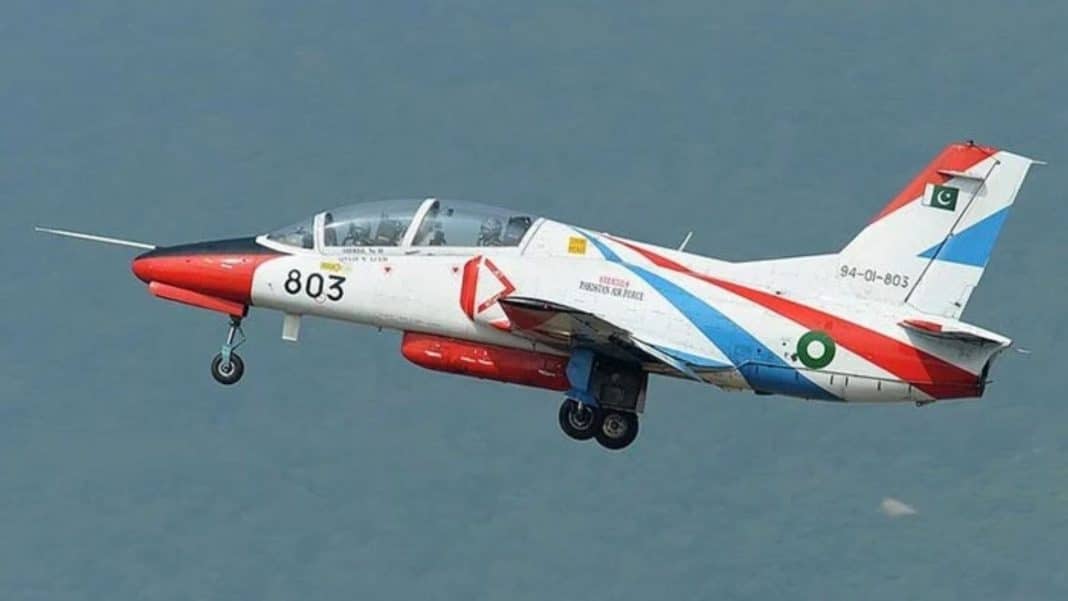
A ‘Super Mushshak’ trainer aircraft of the Pakistan Air Force (PAF) lost control during a routine training sortie and crashed onto Katlang Road. The catastrophic accident resulted in the immediate deaths of the instructor pilot, Flight Lieutenant Muhammad Qasim Abdullah, and a navy trainee officer, Lieutenant Taha Abbasi.
Because the plane went down near a residential zone, three civilians traveling on the road were also seriously injured. They have been rushed to the Mardan Medical Complex for urgent treatment. Following its usual script, the Inter-Services Public Relations (ISPR) issued a standardized
statement announcing that “a board of inquiry has been ordered by Air Headquarters to determine the cause of the accident.” However, whether this investigation report will ever see the light of day remains a major question mark.
Two Major Military Air Crashes in 4 Days: A Mere Coincidence?
Mardan PAF Trainer Aircraft Crash: This crash has deeply alarmed defense analysts, as it marks the second major military aviation disaster in Pakistan within just four days.
The First Incident (Wednesday, June 11, 2026): A Pakistan Army Mi-17 helicopter crashed due to technical failure right during take-off near Muzaffarabad in Pakistan-occupied Kashmir (PoK), killing all military personnel on board.
The Second Incident (Monday, June 15, 2026): Now, this fatal trainer aircraft crash in Mardan.
Suffering two deadly crashes within less than a week strongly indicates that “all is not well” within the Pakistani military’s aviation fleet. It points toward deep, systemic issues rather than isolated human errors.
The Maintenance Budget Under Fire: Pilots Paying the Price for Economic Crisis
Mardan PAF Trainer Aircraft Crash: The most critical investigative angle emerging from this tragedy points directly toward Pakistan’s struggling defense economy. Pakistan has been trapped in a severe economic crisis and a relentless debt cycle for several years.
Military experts suggest that this ongoing financial crunch has severely hit the Pakistan Air Force’s maintenance and spare parts budget:
Shortage of Original Spares: Pakistan faces an acute shortage of US dollars, making it incredibly difficult to import genuine spare parts from foreign manufacturers for its Super Mushshak and older aircraft fleets.
Compromised Maintenance Protocols: Due to the dollar crunch, standard overhauling and servicing schedules handled by international companies are being missed. Ground crews are forced to rely on “local fixes” or reuse worn-out parts, which frequently suffer catastrophic failures mid-air.
Reduced Training Standard: Budget cuts have also impacted the fuel supply, restricting the actual flying hours assigned to young trainee pilots. This lack of airborne experience leaves them less prepared to manage sudden technical emergencies in the sky.
The Flight Fleet of ‘Flying Death Traps’
Mardan PAF Trainer Aircraft Crash: The Pakistan Air Force heavily relies on the basic Super Mushshak and aging Chinese/American trainer variants to groom its rookies. Many of these machines have already outlived their operational lifespans.
Historical crash data from the country reveals that a disproportionately high number of fatal accidents occur precisely during basic training sorties. While the PAF frequently claims to modernize its frontline combat fleet (like the JF-17 and F-16), the truth is that keeping these high-end jets operational consumes almost the entire defense budget, leaving the foundational training units dangerously starved for funds.
How Long Will “Martyrdom” Mask Technical Failure?
Following the Mardan tragedy, Pakistani President Asif Ali Zardari and Prime Minister Shehbaz Sharif released statements praising the “martyrdom” of the young pilots and offering condolences to their grieving families. Army Chief General Asim Munir expressed similar grief.
However, a pressing question remains: does labeling these preventable deaths as “martyrdom” relieve the political leadership and military generals of their accountability?
Until Pakistan genuinely addresses its economic decay and prioritizes pilot safety over geopolitical posturing, its skies will continue to host these flying death traps. It is high time the military breaks its tradition of secrecy, makes the inquiry reports public, and addresses the severe shortfall in its maintenance budget.
Also Read : Indian Mariners Killed: Will IMO Investigate US Ship Attacks After Iran’s Outrage?