


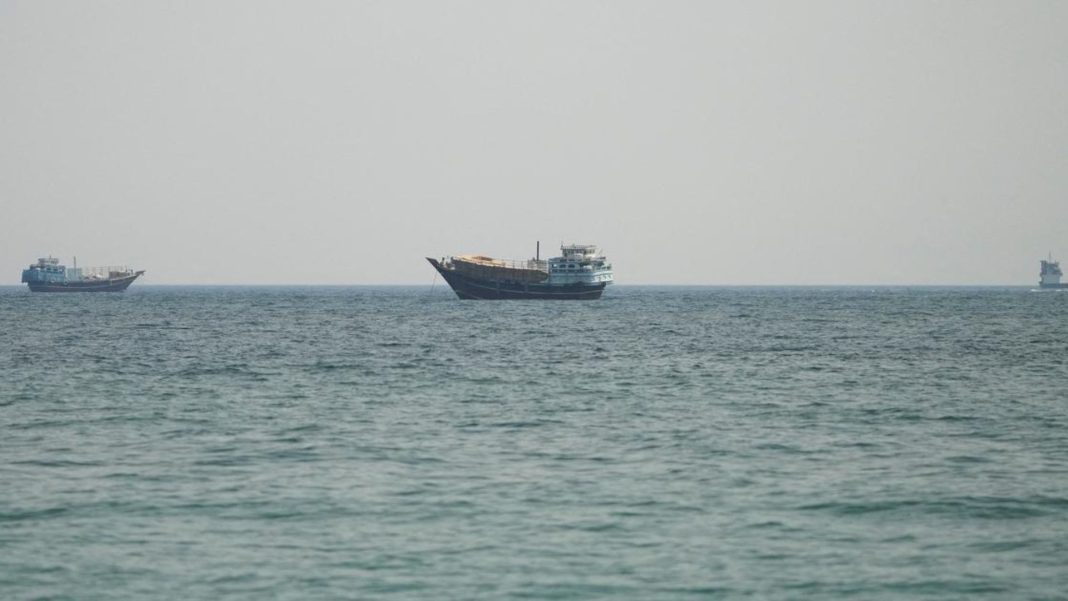

Escalating Peril in the Gulf : In a major policy shift driven by escalating maritime warfare in West Asia, the Government of India has imposed an immediate, indefinite ban on the fresh deployment of Indian seafarers aboard commercial vessels transiting through the high-risk Strait of Hormuz and the broader Arabian Gulf region.
The emergency directive comes in the direct aftermath of a lethal surge in regional missile and drone strikes following the collapse of the US-Iran ceasefire. It marks New Delhi’s most decisive kinetic intervention to protect its vital maritime workforce as shipping lanes transform into a designated war zone.
CRITICAL MANDATE: Shipping Industry Hit by Sweeping Deployment Restrictions
Escalating Peril in the Gulf : The absolute restriction, which will remain active until further official notice, targets the entire operational spectrum of India’s maritime recruitment sector. The regulatory mandate applies strictly to:
Ship Owners & Operators: Domestic and international entities managing Indian-flagged or Indian-crewed vessels.
Ship Management Companies: Corporate entities responsible for the technical and crew management of commercial fleets.
RPSL Agencies: Recruitment and Placement Service License companies registered under Indian maritime law.
While the order blocks fresh placements from Indian shores, shipping experts note a significant regulatory loophole: foreign shipping corporations recruiting Indian seafarers directly from offshore international hubs will remain outside the immediate legal jurisdiction of New Delhi’s domestic ban.
RISING CASUALTIES: Rising Death Toll Triggers Government Intervention
Escalating Peril in the Gulf : The geopolitical catalyst for this aggressive safety measure was a devastating attack within the Strait of Hormuz corridor earlier this week, which resulted in the confirmed deaths of two Indian seafarers.
The tragedy is part of a much broader, deeply alarming trend of collateral damage affecting global merchant fleets trapped in the ongoing tit-for-tat strikes between American forces and Iran.
With 14 Indian citizens dead in less than five months within these narrow waters, New Delhi faced immense domestic and industry pressure to halt the flow of civilian personnel into a volatile free-fire zone.
MAX SECURITY ORDER: High-Alert Protocols Triggered for Gulf Shipping
Beyond the hiring freeze, the Ministry of Ports, Shipping and Waterways has placed all active maritime infrastructure on a state of high alert. Complete compliance directives have been issued to all entities currently operating assets near the Arabian Gulf:
Hyper-Vigilance Mode: All vessels with active Indian crew members currently inside the Gulf or Gulf of Oman must implement extreme defensive watch protocols.
Real-Time Tracking: Companies are mandated to maintain 24/7 monitoring of all regional navigation warnings, maritime intelligence feeds, and updated security advisories.
ISPS Code Enforcement: A strict command to fully implement the International Ship and Port Facility Security (ISPS) Code, raising shipboard security levels to their absolute maximum thresholds to counter potential boardings or drone impacts.
Global Supply Chain Braces for Severe Crew Deficit
India provides roughly 10 to 12 percent of the global seafaring workforce, making New Delhi’s sudden withdrawal of fresh labor a monumental headache for global shipping consortiums already grappling with astronomical insurance premiums and structural blockades in the Strait of Hormuz.
Maritime analysts warn that if the deployment ban extends past the upcoming weeks, international tankers carrying vital crude oil and liquefied natural gas (LNG) out of the Persian Gulf will face severe, paralyzing crew shortages.
Shipping management firms are reportedly scrambling to source replacement crews from alternative East Asian nations, even as the global energy supply chain edges closer to absolute gridlock.
With New Delhi prioritizing the lives of its citizens over commercial maritime trade, the price of keeping vessels manned in the world’s most volatile choke point has just gone up exponentially.
Also Read : Hormuz Crisis: Will Global Oil Trade Grind to a Full Halt After US Airstrikes and Iranian Retaliation?