


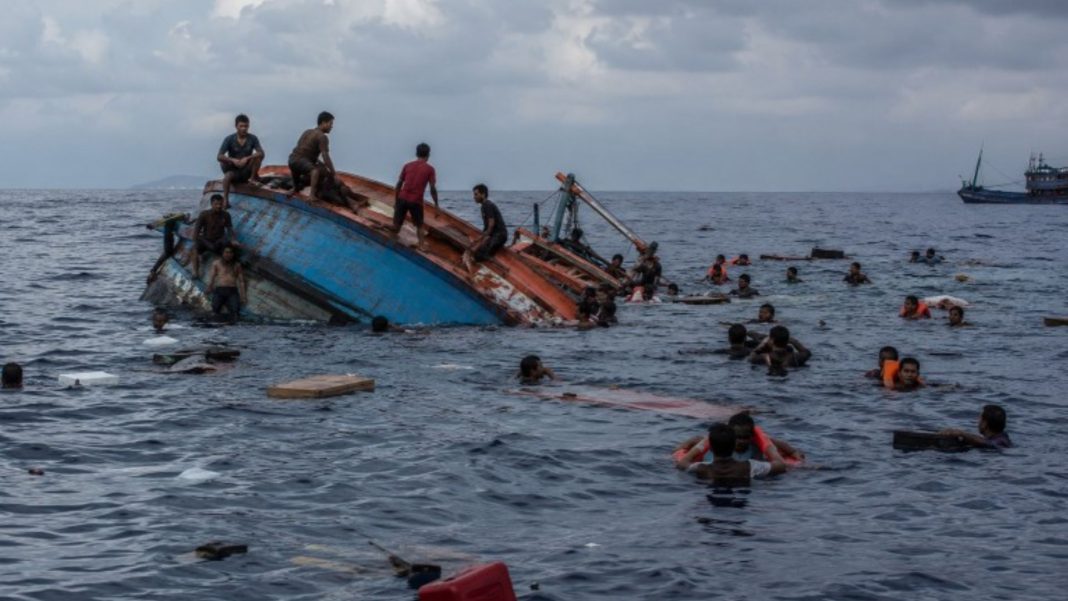

Myanmar Boat Tragedy: In what is shaping up to be one of the deadliest maritime disasters in recent memory, more than 500 Rohingya refugees are feared dead after two overcrowded vessels vanished off the coast of Myanmar.
The United Nations has expressed profound shock and grave concern over the incident, which underscores the desperate, life-threatening risks members of the persecuted minority community continue to take to flee harsh conditions in their homeland and overcrowded transit camps.
The Anatomy of a Tragedy: Two Boats, One Grim Fate
Myanmar Boat Tragedy: According to a joint statement released by the International Organization for Migration (IOM) and the UN Refugee Agency (UNHCR), both vessels departed from Myanmar’s conflict-torn Rakhine State in late June. What was meant to be a journey toward safety and a better future quickly turned into a nightmare.
The First Vessel (250 Aboard): Carrying approximately 250 passengers, this boat lost all communications shortly after setting sail. Efforts to establish contact have yielded nothing, raising fears that it may have capsized early in its journey.
The Second Vessel (280 Aboard): This boat was carrying around 280 people. UN agencies believe it tragically sank on July 8 near the Ayeyarwady coast of Myanmar, succumbing to violent sea conditions.
The passengers were predominantly Rohingya, including individuals who had secretly left the sprawling, squalid refugee camps in Cox’s Bazar, Bangladesh, hoping to connect with the vessels for a chance at a new life.
“A Devastating Loss” , UN Demands Answers and Action
Myanmar Boat Tragedy: While the official death toll and the exact mechanics of the capsizing have not yet been independently verified due to the remote and volatile nature of the region, the UN has made its stance clear.
“The potential loss of hundreds of lives is deeply distressing,” the IOM and UNHCR stated in their joint communique. “While we await official confirmation, the indicators point to a massive tragedy that could have been prevented.”
The agencies highlighted a critical, fatal factor in this disaster: the timing of the voyage. The boats set sail outside the traditional sailing season, intentionally braving the peak of the monsoon.
Recent weeks have seen relentless heavy rains, severe flooding, and turbulent swells across the Bay of Bengal, turning the ocean into a death trap for the flimsy, wooden fishing trawlers typically used by smugglers.
The Push Factors: Why Risk the Deadly Monsoon Seas?
The Rohingya, a stateless Muslim minority from Myanmar, have faced decades of systemic discrimination, violence, and denial of citizenship. For many, staying means enduring slow starvation, lack of healthcare, and escalating conflict between the Myanmar military and rebel factions in Rakhine State.
On the other side of the border, the situation in Bangladesh’s Cox’s Bazar, home to nearly a million refugees, has grown increasingly bleak. Rife with gang violence, funding cuts that have slashed food rations, and a total lack of long-term prospects, the camps have transformed from safe havens into open-air prisons.
Faced with a choice between hopelessness on land and a perilous gamble at sea, hundreds choose the sea. Their destinations are usually Muslim-majority nations like Malaysia and Indonesia, or transit points like Thailand.
A Growing Graveyard: The Chilling Numbers
The Indian Ocean and the Andaman Sea are rapidly becoming one of the deadliest migration routes in the world. The statistics paint a horrific picture of a humanitarian crisis left unchecked:
Year Rohingya Casualties / Missing at Sea
Last Year ~900 people
This Year ~300 people (excluding the current 500 feared dead)
If the current fears are confirmed, this single double-disaster will instantly double this year’s death toll, making it a catastrophic year for Rohingya maritime migration.
The Smuggling Network: Exploiting Despair
Human rights regional watchdogs point out that transnational human smuggling syndicates actively exploit the desperation of the Rohingya. These syndicates charge thousands of dollars per seat, promising safe passage but delivering crowded, unseaworthy boats lacking basic navigation equipment, life jackets, or sufficient food and water.
By launching during the monsoon season, smugglers often hope to evade naval patrols and coast guards, sacrificing human safety for a lower chance of interception.
The Global Call to Action: “Search and Rescue Cannot Wait”
Human rights organizations and UN agencies are using this latest tragedy to issue an urgent plea to Southeast Asian nations and international bodies. They are calling for:
Immediate Search and Rescue: Regional navies must actively deploy resources to locate any potential survivors from the two vessels.
Regional Responsibility Sharing: Neighbors along the Andaman Sea must stop the policy of “pushbacks”, where refugee boats are towed back out to international waters instead of being allowed to disembark.
Root Cause Resolution: International pressure must be sustained on Myanmar to restore Rohingya rights and guarantee safe, dignified, and voluntary returns.
As the search for answers continues, the families of the 500 missing passengers in Rakhine and Cox’s Bazar are left waiting in agonizing suspense, fearing the worst for their loved ones who chose the sea over a life of persecution.
Also Read : Balochistan’s Independence Claim: Why This Development Has Become India’s Biggest Diplomatic Litmus Test?