


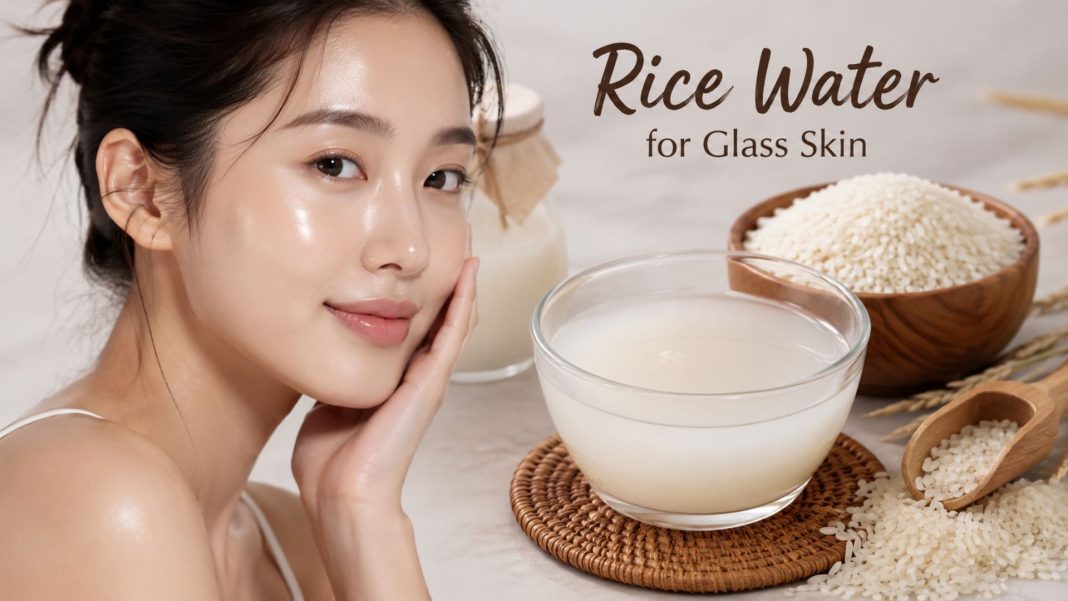

What is Rice Water Skincare? The global obsession with the coveted Korean “glass skin” a term used to describe a complexion so smooth, clear, and intensely hydrated that it resembles a reflective pane of glass has brought a traditional Asian ingredient to the forefront of modern cosmetics.
While commercial shelves are flooded with expensive serums and essences, one of the most potent secrets to achieving this look costs next to nothing and is sitting right in your kitchen pantry: Rice Water Skincare.
For centuries, women in Japan, China, and Korea have utilized rice water as a natural skin and hair conditioner. Today, modern dermatological science is validating what ancient traditions practiced for generations.
The Science Behind Rice Water Skincare: Why It Works
What is Rice Water Skincare? To understand why rice water is so celebrated, it is essential to look at its nutritional profile. When rice is soaked or boiled in water, it releases an array of bioactive compounds into the liquid.
According to biochemical studies, rice water is highly enriched with:
Inositol: A carbohydrate complex that helps smooth out rough textures, tighten pores, and regulate sebum (oil) production.
Ferulic Acid: A powerful antioxidant that neutralizes harmful free radicals caused by environmental pollution and UV exposure.
Niacinamide (Vitamin B3): A well-known skin-brightening agent that reduces dark spots, calms inflammation, and fades hyperpigmentation.
Amino Acids & Minerals: The fundamental building blocks of skin health that repair the damaged skin barrier and maintain optimum moisture levels.
When applied consistently, this nutrient-dense elixir helps soothe irritated skin, brightens dull areas, and encourages a youthful, bouncy texture.
How to Prepare Rice Water at Home: 3 Easy Methods
What is Rice Water Skincare? There are three distinct ways to prepare your own DIY rice water, depending on your skin type and the amount of time you have. For all methods, it is highly recommended to use organic, unpolished white or brown rice to avoid exposing your skin to pesticides.
Method 1: The Cold Soaking Method (Best for Beginners)
This is the simplest and quickest way to extract the nutrients without any heat application.
Take half a cup of uncooked rice and rinse it thoroughly with plain water once or twice to remove dirt and impurities.
Place the clean rice into a glass bowl and add two cups of filtered or distilled water.
Let it sit and soak for 30 to 45 minutes, swirling it occasionally.
Strain the water into a clean spray bottle or container. Your fresh rice water is ready to use.
Method 2: Fermented Rice Water (Best for Anti-Aging and Deep Brightening)
Fermentation drops the pH level of the water, making it closely match the natural slightly acidic pH of your skin. It also increases the concentration of antioxidants.
Follow the steps of the soaking method, but instead of refrigerating the strained liquid immediately, leave it in a glass jar at room temperature.
Let it ferment for 12 to 24 hours (depending on how warm your room is). You will know it is ready when it develops a slightly sour smell.
Once fermented, boil the liquid for 2 minutes to halt the fermentation process, let it cool completely, and then store it in the refrigerator.
Method 3: The Boiling Method (Best for Dry Skin)
Boiling the rice creates a concentrated, slightly starchy liquid that acts as an excellent, deeply hydrating base for dry skin types.
Cook a cup of rice using double the amount of water you normally would.
Once the water turns a milky, cloudy color, strain the excess liquid out before the rice absorbs all of it.
Let the concentrated water cool down completely before storage. You can dilute it with plain filtered water if it feels too thick.
Step-by-Step Guide: How to Use Rice Water for Glass Skin
To achieve a luminous glass skin look, integrate your homemade rice water into a consistent morning and evening skincare routine using these four applications:
1.The Hydrating Toner/Essence
After cleansing your face with a mild cleanser, pour a few drops of chilled rice water onto your palms and gently pat it onto your face and neck.
Alternatively, spray it directly onto your skin using a fine mist bottle. Allow it to air dry partially before moving to your next skincare step to lock in maximum hydration.
2.The Soothing Sheet Mask
If your skin is feeling dull, sunburnt, or dehydrated, soak a compressed cotton sheet mask tablet (easily available online) or flat cotton pads in a bowl of cold rice water. Apply it to your face for 10 to 15 minutes. It immediately brings down redness and gives an instant plumping effect.
3.Pore-Tightening Ice Cubes
Pour your prepared rice water into a clean ice tray and freeze it. Gently rub a rice water ice cube wrapped in a thin muslin cloth over your face in circular motions in the morning.
This technique helps stimulate blood circulation, reduces under-eye puffiness, and temporarily tightens large pores.
4.The Refreshing Face Rinse
You can also use a bowl of diluted rice water as a final splash after washing your face. It washes away residual cleanser harshness and leaves a soft, matte-yet-glowy finish on the skin.
Storage, Shelf Life, and Essential Safety Precautions
Because homemade rice water contains no artificial preservatives, it must be handled with care to prevent the growth of harmful bacteria.
Refrigeration is Mandatory: Always store your DIY rice water in a clean, airtight container inside the refrigerator. The cold temperature also provides a soothing effect upon application.
Shelf Life: Fresh, soaked rice water lasts for about 4 to 5 days in the fridge. Fermented rice water can last up to 7 days. If the liquid changes color, develops a foul odor, or looks cloudy in an unusual way, discard it immediately and brew a fresh batch.
The Patch Test: Just because an ingredient is natural does not mean it cannot cause an allergic reaction. Always perform a patch test on your inner wrist or jawline for 24 hours before applying it to your entire face, especially if you have sensitive or eczema-prone skin.
Also Read: The Capsule Wardrobe Guide: How to Look Stylish Every Day with Fewer Clothes