



Attacks Must Stop Immediately: In a sharp and unusual diplomatic move, India has registered a strong formal protest with the United States following a dangerous attack on the oil tanker Settebello off the coast of Oman.
Turning up the diplomatic heat, the Indian government summoned the Charge d’Affaires of the US Embassy, Jason Meeks, to the Ministry of External Affairs (MEA) to demand immediate answers and ensure the safety of Indian crew members caught in the escalating maritime crossfire.
The confrontation signals New Delhi’s growing anxiety over the safety of its citizens working on international waters, particularly in the highly volatile West Asian maritime corridors.
The Trigger: Chaos Near the Coast of Oman
Attacks Must Stop Immediately: The diplomatic standoff was triggered by a recent assault on the Settebello, a commercial oil tanker navigating near the strategic waters of Oman.
While the region has seen a spike in maritime tensions due to ongoing geopolitical conflicts, the attack on this specific vessel directly jeopardized Indian lives, forcing New Delhi to intervene aggressively.
During the meeting with the American diplomat, Indian officials made it clear that the safety of Indian seafarers is a non-negotiable priority for the country.
MEA Draws a Firm Line: “Stop the Attacks”
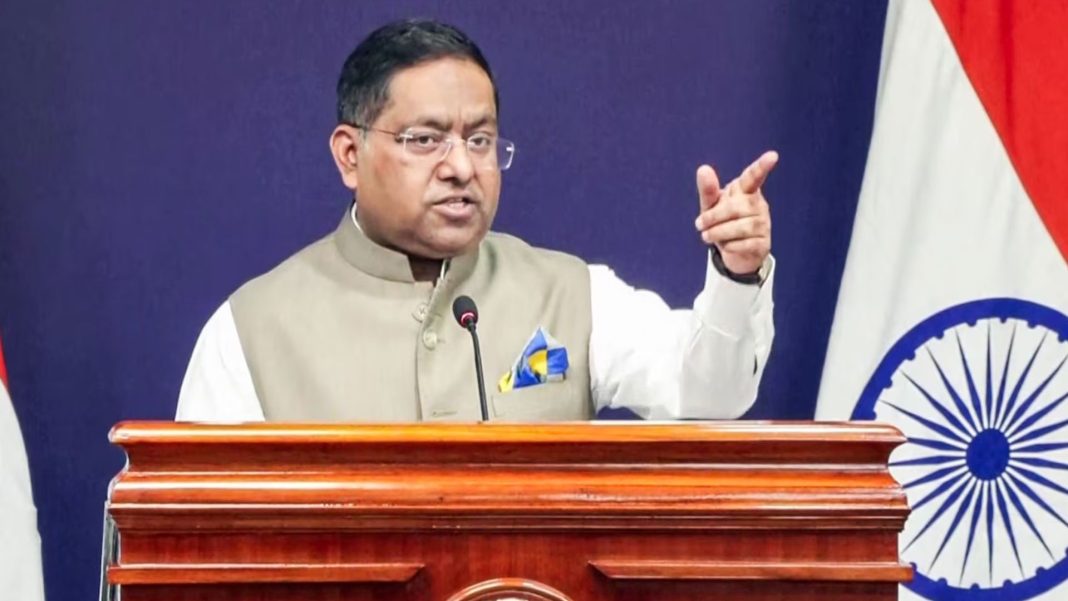
Attacks Must Stop Immediately: Confirming the diplomatic showdown, MEA Spokesperson Randhir Jaiswal stated that India did not mince words when presenting its case to the American side.
“Following the attack, India has lodged a formal protest with the US side. The message from New Delhi is loud and clear: the security of maritime personnel must be guaranteed, and these reckless attacks on commercial vessels must stop immediately,” Jaiswal said during a press briefing.
The MEA highlighted that India is one of the largest providers of seafaring manpower to the global shipping industry. With hundreds of thousands of Indian sailors operating in high-risk zones, especially across the Persian Gulf, the Gulf of Oman, and broader West Asia, any threat to commercial shipping directly translates to a threat to Indian lives.
Why the US? Navigating the Geopolitical Web
While the exact perpetrators of the Settebello attack remain part of a broader regional conflict, India’s decision to formally protest to the US underscores Washington’s role as the primary security guarantor and naval leader in these international waters.
By summoning the top US diplomat, New Delhi is sending a strategic signal: global superpowers overseeing maritime security in the region must do more to prevent commercial vessels from becoming collateral damage in geopolitical proxy wars.
The Strait of Hormuz: A Global Chokepoint at Risk
Beyond the immediate safety of the crew, India also voiced deep concerns over the economic fallout of the unstable shipping lanes. New Delhi emphasized the absolute necessity of maintaining open and safe transit through the Strait of Hormuz, the world’s most crucial oil transit chokepoint.
India demanded that the unhindered movement of vessels must be restored immediately, strictly adhering to international maritime laws. For an energy-dependent nation like India, any prolonged disruption in these waters could trigger a spike in global oil prices and disrupt domestic supply chains.
The Way Forward: Diplomacy Over Drone Warfare
As the security situation in West Asia teeter-totters on the edge of a wider conflict, India reiterated its traditional stance on global disputes.
The MEA spokesperson concluded that a military escalation is not the answer to the crisis. India has urged all involved parties to abandon aggressive postures, stating firmly that the ongoing regional conflict can only be resolved through sustained dialogue and active diplomacy, rather than missiles and drone strikes.
As the US reassesses its security strategy in the region after India’s firm pushback, the international community will be watching closely to see if New Delhi’s intervention can bring much-needed stability to these troubled waters.
Also Read : HAT-TRICK OF HORROR: Third Ship with Indian Crew Struck in U.S. Military Actions Near Oman