


In the age of tailored ads and personalized content, Elon Musk’s Neuralink introduces a paradigm shift: mind-reading technology. This groundbreaking innovation promises to revolutionize advertising strategy by tapping into consumers’ thoughts, raising both excitement and concern about its implications for privacy and ethical use.
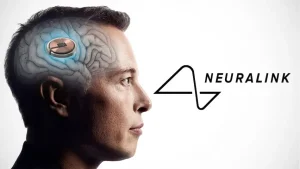
The Rise of Neurotechnology ( Neuralink) :
Neurotechnology, still in its infancy, has already made waves across industries, from medical devices to entertainment apps. With Neuralink poised to integrate into mainstream tech products, major players like Snapchat, Meta, and Apple are eyeing the potential of harnessing brainwave data for unprecedented personalization and market insight.
Navigating Privacy Concerns :
As mind-reading technology advances, so do concerns about privacy infringement. Colorado’s recent legislation marks a pivotal step in safeguarding neural and biological data, recognizing their sensitivity and the need for robust protection against unauthorized access and exploitation.